PERTH CONCRETE TESTING SERVICES
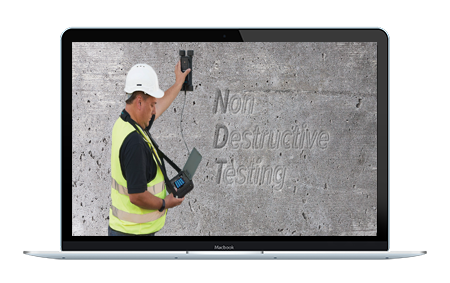
Welcome to PCTS, your premier provider of concrete non-destructive testing (NDT) and Ground Penetrating Radar (GPR) scanning services in Perth, Western Australia. Our highly skilled NDT Technicians deliver fast and accurate results, ensuring the highest standard of service for our clients.
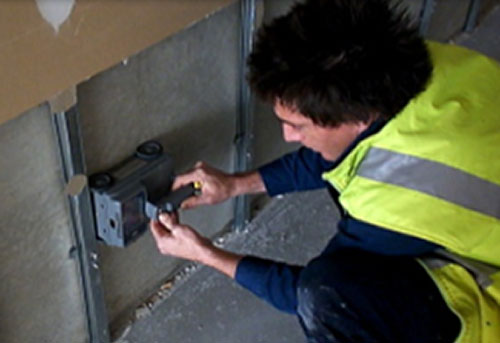
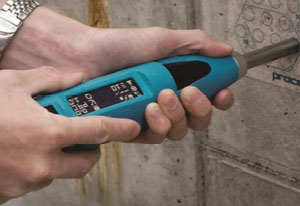
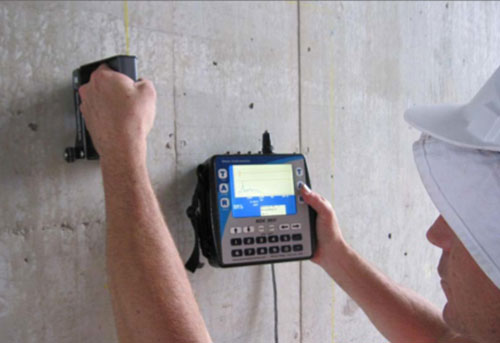
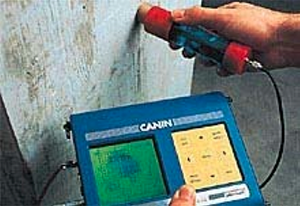
At PCTS, we pride ourselves on our personalised approach. Our boutique inspection company offers prompt report turn-around, available 24/7. We specialise in a range of testing services, including GPR Scanning, Impact Echo testing, half cell potential measurement, Schmidt Hammer testing, ultrasonic certification, electrical resistivity testing, impulse response and ultrasonic pulse velocity testing services. Our team of multi-disciplined technicians is trained to the highest standard, allowing us to efficiently carry out various test methods without causing downtime for your company during inductions and site familiarisations.
Drawing on 40+ years of expertise in concrete durability, which has been passed down from generation to generation, we provide reliable assessments. Our services extend beyond NDT to visual inspections using cutting-edge drones, including the Mavic and Inspire, offering 4K ultra-high-definition video aerial inspections. Whether you need concrete scanning, reinforcement location, or flaw detection, PCTS has you covered.
Choose PCTS for quality, precision, and excellence in concrete testing and inspection services. Contact us today to discuss your specific needs and experience the difference of working with Perth’s best NDT and GPR experts!